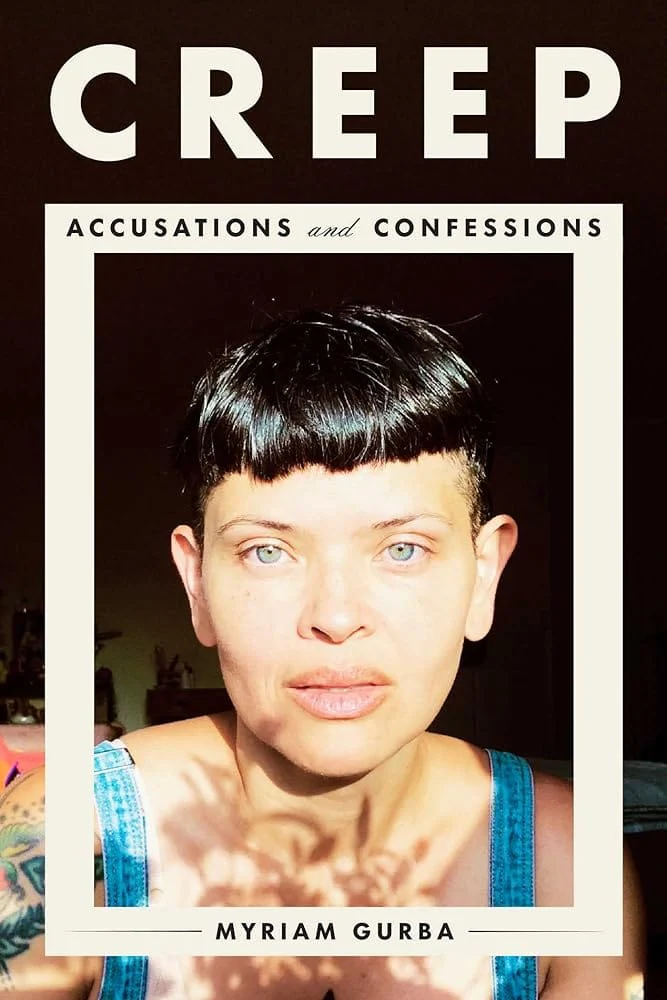
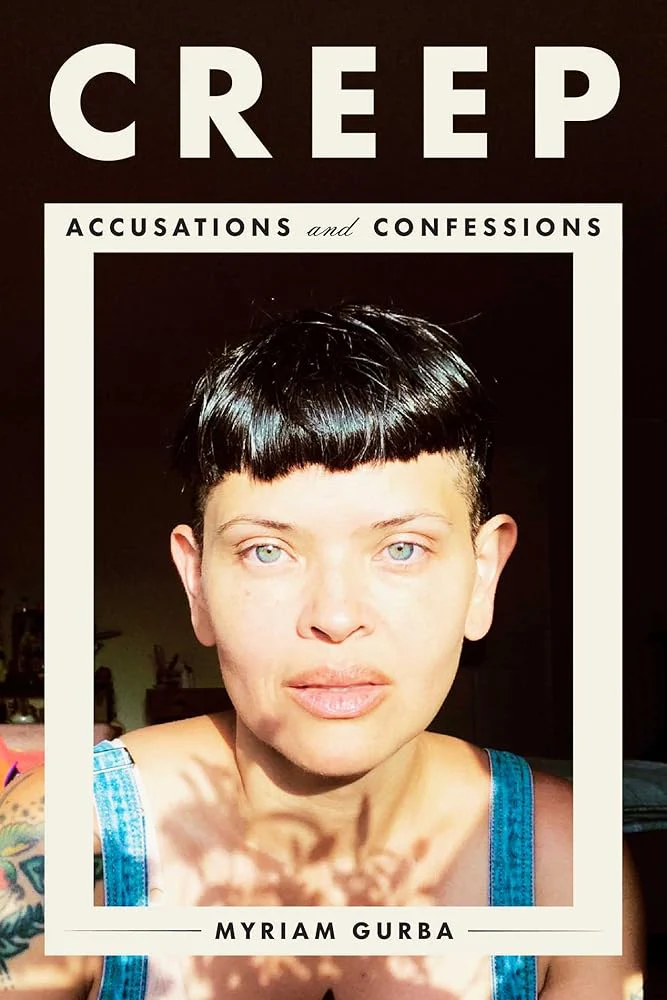
Creep: Accusations and Confessions by Myriam Gurba
A NATIONAL BOOK CRITICS CIRCLE FINALIST * A LAMBDA LITERARY AWARD WINNER
“Quite simply one of the best books of the decade.” —Los Angeles Review of Books * “The mother of intersectional Latinx identity.” —Cosmopolitan * “Brilliant…a hopeful book…rooted in the steadfast belief other worlds are possible.” —The New York Observer * “Witty, confident, and effortlessly provocative.” —The Philadelphia Inquirer * “The most fearless writer in America.” —Luis Alberto Urrea, Pulitzer Prize finalist and author of Good Night, Irene
A ruthless and razor-sharp essay collection that tackles the pervasive, creeping oppression and toxicity that has wormed its way into society—in our books, schools, and homes, as well as the systems that perpetuate them—from one of our fiercest, foremost explorers of intersectional Latinx identity.
A creep can be a single figure, a villain who makes things go bump in the night. Yet creep is also what the fog does—it lurks into place to do its dirty work, muffling screams, obscuring the truth, and providing cover for those prowling within it.
Creep is “sharp, conversational cultural criticism” (Bustle), a blistering and slyly informal sociology of creeps (the individuals who deceive, exploit, and oppress) and creep culture (the systems, tacit rules, and institutions that feed them and allow them to grow and thrive). In eleven bold, electrifying pieces, Gurba mines her own life and the lives of others—some famous, some infamous, some you’ve never heard of but will likely never forget—to unearth the toxic traditions that have long plagued our culture and enabled the abusers who haunt our books, schools, and homes.
With her ruthless mind, wry humor, and adventurous style, Gurba implicates everyone from William Burroughs to her grandfather, from Joan Didion to her own abusive ex-partner; she takes aim at everything from public school administrations to the mainstream media, from Mexican stereotypes to the carceral state. Weaving her own history and identity throughout, she argues for a new way of conceptualizing oppression, and she does it with her signature blend of bravado and humility.
Original: $27.00
-65%$27.00
$9.45Product Information
Product Information
Shipping & Returns
Shipping & Returns
Description
A NATIONAL BOOK CRITICS CIRCLE FINALIST * A LAMBDA LITERARY AWARD WINNER
“Quite simply one of the best books of the decade.” —Los Angeles Review of Books * “The mother of intersectional Latinx identity.” —Cosmopolitan * “Brilliant…a hopeful book…rooted in the steadfast belief other worlds are possible.” —The New York Observer * “Witty, confident, and effortlessly provocative.” —The Philadelphia Inquirer * “The most fearless writer in America.” —Luis Alberto Urrea, Pulitzer Prize finalist and author of Good Night, Irene
A ruthless and razor-sharp essay collection that tackles the pervasive, creeping oppression and toxicity that has wormed its way into society—in our books, schools, and homes, as well as the systems that perpetuate them—from one of our fiercest, foremost explorers of intersectional Latinx identity.
A creep can be a single figure, a villain who makes things go bump in the night. Yet creep is also what the fog does—it lurks into place to do its dirty work, muffling screams, obscuring the truth, and providing cover for those prowling within it.
Creep is “sharp, conversational cultural criticism” (Bustle), a blistering and slyly informal sociology of creeps (the individuals who deceive, exploit, and oppress) and creep culture (the systems, tacit rules, and institutions that feed them and allow them to grow and thrive). In eleven bold, electrifying pieces, Gurba mines her own life and the lives of others—some famous, some infamous, some you’ve never heard of but will likely never forget—to unearth the toxic traditions that have long plagued our culture and enabled the abusers who haunt our books, schools, and homes.
With her ruthless mind, wry humor, and adventurous style, Gurba implicates everyone from William Burroughs to her grandfather, from Joan Didion to her own abusive ex-partner; she takes aim at everything from public school administrations to the mainstream media, from Mexican stereotypes to the carceral state. Weaving her own history and identity throughout, she argues for a new way of conceptualizing oppression, and she does it with her signature blend of bravado and humility.